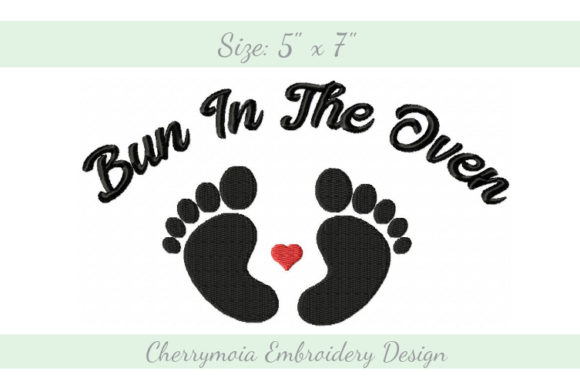
Bun in the Oven Embroidery Design Review
First Impression: Playful, Warm, and Instantly Relatable
“Bun in the Oven” lands with cheerful wit—not too cheeky, not too clinical. It’s a nursery-themed machine embroidery design that leans into lighthearted anticipation rather than clinical terminology. Think farmhouse charm meets modern parenthood: soft curves, friendly lettering, and an implied warmth that reads well across age groups and aesthetics. At a craft fair, where shoppers scan booths in under three seconds, this title alone sparks recognition and smiles—especially among expectant parents, baby shower hosts, and gift-givers who appreciate handmade sincerity over mass-produced clichés.
Where Bun in the Oven Shines on Craft Fair Products
This digital embroidery file performs strongest when placed thoughtfully—not everywhere, but where personality and purpose align. On tote bag designs, it works beautifully centered on the front panel of natural canvas or linen-blend bags: large enough to read at arm’s length, small enough to leave room for texture and breathability. As apron embroidery, it adds charm above the pocket without overwhelming the silhouette—ideal for boutique makers selling kitchen-ready handmade products.
Tea towel embroidery is another standout use. Cotton flour-sack towels provide just enough body and subtle texture to support moderate stitch density while letting the design pop. The phrase “Bun in the Oven” feels right at home in kitchens—functional, festive, and subtly sentimental. For embroidered patches, resize carefully: the original file likely holds up best at 3–4 inches wide. Smaller versions risk losing legibility in the “O” or “V,” especially if thread tension isn’t dialed in.
It’s less ideal on curved surfaces like caps unless the design has been pre-optimized for front-panel curvature (check your file notes). On pillow covers and small pouches, it reads well as a focal point—but avoid cramming it onto anything under 5x5 inches. As a market bag or handmade gift accent, Bun in the Oven elevates perceived value: customers associate clean, confident embroidery with skilled craftsmanship—not generic print-on-demand.
Real-World Selling Strengths
At the booth, Bun in the Oven draws attention because it’s conversational—not decorative wallpaper. It invites interaction: “Oh! Are you expecting?” “Is this for a baby shower?” That kind of engagement turns browsers into buyers. As an Etsy seller, it supports strong printable mockups: pair it with warm neutrals, sage greens, or buttery creams, and you’ll generate listings that feel cohesive, intentional, and emotionally resonant.
For commercial embroidery, it scales well across product types—no need to reinvent the layout for each item. That means faster batch production and consistent branding across your small shop product line. And yes—it photographs exceptionally well. Natural light + crisp fabric + balanced thread contrast = scroll-stopping Etsy thumbnails and Instagram posts.
Production Notes Every Embroidery Designer Should Check
Before cutting fabric or loading hoops, treat Bun in the Oven like any high-intent digital embroidery file: test it first. Stitch a sample on scrap fabric matching your intended product—especially if using textured towels, thick denim for aprons, or dark fabric. Low-contrast thread colors will vanish; prioritize cream-on-navy or charcoal-on-cream for clarity.
Review stitch density. If the file packs heavy fills into small letters (like the “O” or “n”), it may pucker lightweight cotton or shift on knits. Use cutaway stabilizer for structured items like tote bags and tear-away for tea towels. Confirm your hoop size matches the design’s footprint—don’t force a 5x7 design into a 4x4 hoop and expect clean results.
And here’s what the description quietly warns: “the quality can not be guaranteed when resizing or altering the design.” That’s not boilerplate—it’s critical. Resizing changes stitch count, jump stitch behavior, and underlay logic. If your market calls for a 2-inch version on a onesie bib, source or commission a scaled-down variant instead of shrinking the original. Same goes for color swaps: test every thread color combo before committing to 30 units.
Booth Impact & Customer Connection
In person, Bun in the Oven strengthens your booth display strength by anchoring a theme: new beginnings, nurturing, celebration. Group it with coordinating designs (think tiny booties, rattles, or “Little One” scripts) and you build visual rhythm—and trust. Buyers don’t just buy a phrase; they buy the feeling behind it. That emotional resonance lifts perceived handmade quality and supports premium pricing.
It also reinforces brand consistency for makers who specialize in nursery or lifestyle embroidery. When customers see Bun in the Oven on your tea towel, then spot it again on your patch sampler or pillow cover, they recognize your voice—playful, polished, and purposeful. That repeat visibility builds recall, word-of-mouth, and return visits.
Careful-Use Reminders for Best Results
- Avoid dense stitch areas on highly textured fabrics—test on actual fabric texture before bulk production.
- Tiny details (serifs, thin stems in letters) may blur on dark fabric or low-thread-count cotton—boost contrast intentionally.
- Curved cap surfaces demand precise digitizing; confirm the file includes front-panel optimization before embroidering hats.
- Small lettering loses impact below 2.5 inches—use as an accent, not a primary identifier, on petite items like keychain pouches.
- Always verify commercial licensing terms—this embroidery file is for creating finished product, but rights vary by designer.
Final Thought: A Reliable Workhorse for Heartfelt Sales
Bun in the Oven isn’t flashy—but it’s dependable, emotionally intelligent, and deeply aligned with what sells at craft fairs and on handmade marketplaces. It bridges humor and heart without tipping into kitsch. For embroidery business owners, Cricut and embroidery crafters, and creative entrepreneurs, it’s a smart addition to your design assets: versatile enough for multiple product categories, distinctive enough to stand out, and sincere enough to earn repeat customers. Just remember: let the file breathe, test fearlessly, and always honor its intent—celebrating life’s tenderest, most joyful transitions.