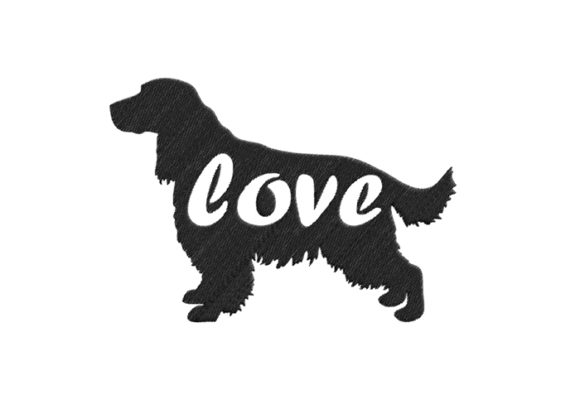
Cocker Spaniel Silhouette
A Designer’s First Impression: Clean, Warm, and Instantly Recognizable
When I opened the Cocker Spaniel Silhouette embroidery file, my first thought wasn’t “cute dog” — it was “this will read beautifully at 3 inches on a linen tea towel.” The shape is confident but soft: rounded ears, gentle curve of the muzzle, and that signature Cocker tail lift — all captured in one smooth, unbroken outline. There’s no fussy detail, no attempt to mimic fur texture or facial expression. Instead, it leans into silhouette strength: bold, balanced, and quietly expressive. It feels like a design made for real life — not just digital previews, but stitched goods that sit well in hands, hang nicely on walls, and hold up under repeated wear.
Where It Shines: Real Projects That Feel Intentional
Last week, I used Cocker Spaniel Silhouette to embroider a set of organic cotton baby burp cloths for a local boutique. We chose the medium size (about 2.75”) centered just above the hem. On the soft, low-pile fabric, the stitch definition stayed crisp — especially the satin-stitched outer edge, which gave the shape a subtle sheen without looking stiff. Customers loved how instantly legible it was: no squinting, no guessing. That same design later became an embroidered patch sewn onto denim aprons for a dog-themed café pop-up — again, the clean lines translated perfectly to a textured surface.
It also worked beautifully as a sweatshirt embroidery piece. Paired with a lightweight tear-away stabilizer and a mid-weight cotton-blend crewneck, the fill stitch held its shape without puckering. No floating threads, no skipped stitches — just a solid, grounded presence that elevated the garment from casual to considered. For Etsy sellers, that kind of reliability means fewer returns, more repeat buyers, and better photo mockups (especially when you test it in both black and white printable mockups first).
Where to Pause — Not a Flaw, Just a Design Reality
Cocker Spaniel Silhouette isn’t built for micro-detail work. If you’re stitching on a curved cap front or a tiny onesie pocket, the smallest size may lose some clarity — especially around the ear curve and tail tip. I recommend sticking to the three larger sizes for anything under a 4-inch hoop. Also, avoid dense fill stitch areas on highly textured fabrics like bouclé or thick terry cloth unless you add cutaway stabilizer underneath. On dark fabric, double-check your thread colors against the included color chart: light ecru or oatmeal thread can disappear unless you opt for contrast stitching (a warm tan or charcoal works especially well).
And while the design holds up beautifully on stable knits and wovens, I’d skip it for ultra-stretchy performance fabrics without significant digitizing tweaks — the smooth outline doesn’t have built-in stretch compensation. Likewise, for items that go through frequent washing (like kitchen towels or baby blankets), confirm your thread quality and wash-test a sample. A well-stabilized Cocker Spaniel Silhouette survives cold washes just fine — but don’t assume it’ll survive hot dry cycles without checking.
What This Means for Your Craft Business
As a designer who’s helped small shops scale their embroidery offerings, I can tell you this: Cocker Spaniel Silhouette builds trust fast. When customers see that clean, confident shape on a handmade tote bag or personalized pillow cover, they *feel* the care behind it — even if they don’t know embroidery terminology. It reads as professional, not DIY. That perception lifts perceived value, supports higher price points, and strengthens brand consistency across product lines.
For Etsy sellers, it’s a smart digital embroidery file to bundle: pair it with coordinating paw prints or bone motifs, offer it in multiple sizes for different use cases (baby onesies vs. throw pillows), and include simple usage notes in your listing — things like “best with medium-weight stabilizer” or “ideal for cotton, linen, and stable knits.” That kind of clarity reduces customer questions and increases conversion.
Practical Notes Every Embroiderer Should Run Through
- Always test first: Stitch the Cocker Spaniel Silhouette on scrap fabric matching your final project’s weight and stretch.
- Check hoop size compatibility: The five sizes mean flexibility — but verify your machine’s max hoop dimensions before committing to the largest version.
- Review stitch density: While not overly dense, inspect the fill areas in your embroidery software. Adjust if needed for delicate fabrics.
- Use proper stabilizer: Tear-away for stable wovens, cutaway for knits or high-wear items, and water-soluble for layered applique projects.
- Confirm licensing: Since this is a commercial embroidery design, double-check whether your intended use (e.g., selling finished embroidered patches or digital resale) falls within the license terms.
- Think beyond the dog: This isn’t just a Dogs design — it’s a versatile design asset. Use it as a focal point on nursery decor, a subtle accent on holiday stockings, or a branded element for a pet-friendly small shop product line.
Final Thought: A Design That Serves the Maker First
Cocker Spaniel Silhouette doesn’t shout. It doesn’t need glitter or gradients to make an impression. What it does — consistently, quietly, and effectively — is support the maker’s intention. Whether you’re stitching a heartfelt personalized gift, building a cohesive craft business collection, or creating digital embroidery file bundles for other designers, this design meets you where you are. It respects your time, your materials, and your customers’ expectations. And in the world of handmade product creation, that kind of thoughtful execution is rare — and deeply valuable.