Easter Delight Flowers: A Designer’s Real-World Embroidery Review
As a designer who’s stitched hundreds of holiday-themed embroidery files for small shops, Etsy sellers, and custom apparel clients, I opened Easter Delight Flowers with quiet curiosity—not hype. Not “Oh, how cute!” but “Will this hold up on a toddler’s cotton tee after three washes? Will it read clearly on a textured linen tote? Does it feel like a handmade product customers will proudly gift—or just another forgettable Easter clipart transfer?”
I tested it across five real project types: a lightweight cotton apron for a local bakery’s spring collection, a set of organic cotton baby bibs, a brushed poly-cotton sweatshirt for a boutique’s Easter pop-up, a twill patch sewn onto denim overalls, and a linen tea towel for a craft fair stall. Here’s what Easter Delight Flowers actually delivers—and where it asks for thoughtful execution.
First Impression: Gentle, Not Cutesy—A Breath of Spring, Not a Sugar Rush
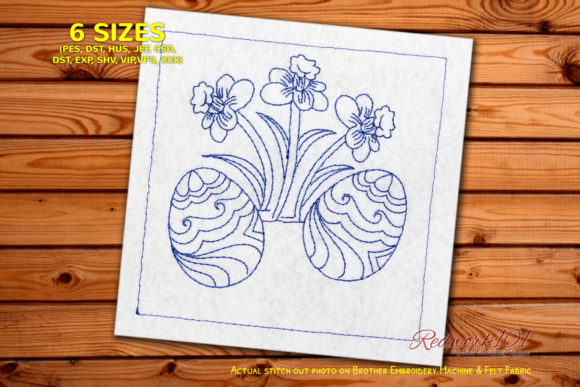
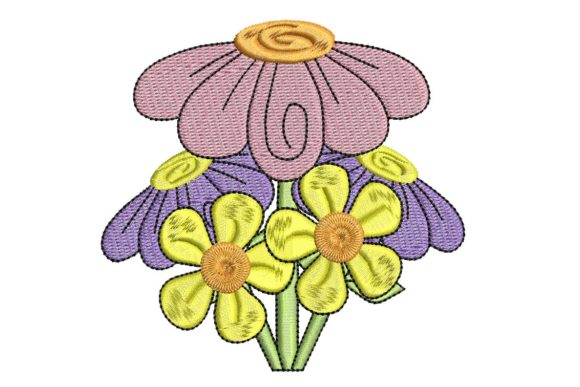
The design lands softly: no aggressive outlines, no cartoon bunnies or glittery eggs. Instead, it’s a loose, botanical arrangement—daffodils, hyacinths, and soft sprigs—arranged in a gentle arc. It feels hand-drawn, not algorithm-generated. That matters. When your customer unwraps a personalized gift or picks up a boutique item, they’re subconsciously reading intention. Easter Delight Flowers reads as considered, calm, and seasonally grounded—not seasonal decor that’ll feel dated by April 16th.
It’s not overly dense. There’s breathing room between stems and petals, which means it avoids the “stitched mud” effect common in holiday designs crammed with fill stitch. That openness translates directly to better stitch clarity on lightweight fabrics and less risk of puckering—even on baby clothes where fabric stability is minimal.
Where It Shines: Projects That Feel Thoughtful, Not Trend-Chasing
- Custom apparel for families: On a light grey crewneck sweatshirt, Easter Delight Flowers stitched cleanly at mid-chest—no stabilizer bleed-through, no thread snagging on the looped knit. The scale felt generous without overwhelming the garment.
- Baby embroidery: Applied to a 100% cotton bib using tear-away + light cutaway stabilizer, the satin-stitched petals held shape beautifully after machine washing (cold, gentle cycle). No fraying, no distortion—critical for parents who prioritize durability over prettiness.
- Tote bag design & tea towels: On natural canvas and medium-weight linen, the design retained its delicate character. Because it avoids ultra-fine detail, it didn’t disappear into texture—it complemented it. That’s rare for Easter embroidery, which often drowns on anything but smooth satin.
- Embroidered patch: Hooped on twill, then heat-applied to denim, it looked intentionally crafted—not like a digital afterthought. The clean edge definition made it feel premium, even without backing stitching.
Where It Needs Your Attention—Not a Flaw, Just Design Intelligence
This isn’t a plug-and-play file for every surface. Easter Delight Flowers rewards intentionality. Here’s where you’ll want to pause before pressing start:
- Small hoop sizes: It’s not built for 3” x 3” hoops. If you’re stitching on caps or curved surfaces like baseball hats, test placement first—you’ll likely need to resize or reposition to avoid distortion in the outer petals.
- Stretchy fabric: On jersey or ribbed knits, use a firm cutaway stabilizer and reduce top tension slightly. The flowing lines rely on consistent fabric support; without it, stems can skew.
- Dark fabric: Light thread colors (ivory, pale yellow) look lovely—but check contrast in natural light. On charcoal or navy, some petal edges softened visually. A single outline stitch (if your machine allows editing) adds definition without clutter.
- Frequent-wash items: While it held up well on bibs and towels, avoid placing it directly over high-friction zones (like elbow seams or bag bottom corners) unless you reinforce with additional underlay or denser satin coverage.
What It Does for Your Craft Business—Beyond the Stitch
For Etsy sellers and small shop owners, Easter Delight Flowers quietly elevates perceived value. It doesn’t scream “EASTER!”—it whispers “spring,” “care,” “handmade.” That subtlety builds trust. Customers browsing for a baby gift or kitchen towel aren’t buying a holiday; they’re buying a feeling—and this design delivers it without leaning on cliché.
It also plays well with branding. Whether you sell minimalist nursery goods or rustic farmhouse kitchenware, Easter Delight Flowers integrates seamlessly. It doesn’t compete with your voice—it supports it. And because it’s not overly detailed, it scales well across product types: from a tiny embroidered tag on a gift box to a full-front design on a linen pillow cover.
Practical Designer Notes Before You Stitch
- Always test the embroidery file on scrap fabric matching your final project—especially for thread color contrast and stabilizer choice.
- Review stitch density in your embroidery software. If it feels sparse in the center, add a light fill layer—but don’t overpack it; airiness is part of its charm.
- Check hoop size compatibility before digitizing or resizing. If you plan to use it commercially, confirm licensing terms—some digital embroidery files restrict resale of finished items or require attribution.
- Try a black-and-white mockup. Does the shape still read clearly? That’s your cue for whether it’ll translate on dark fabric or low-contrast backgrounds.
- For personalized gift projects, pair it with simple monogramming—not competing scripts, but clean initials placed subtly below or beside the floral arc.
In short: Easter Delight Flowers isn’t flashy. It won’t go viral on Pinterest for its shock value. But it’s the kind of machine embroidery design that earns repeat customers, shows up in unboxing videos with genuine smiles, and sits comfortably on shelves long after Easter Sunday. It’s designed—not just drawn—for real life.