Elegant Elk Horn
First Impressions: Quiet Confidence, Not Clutter
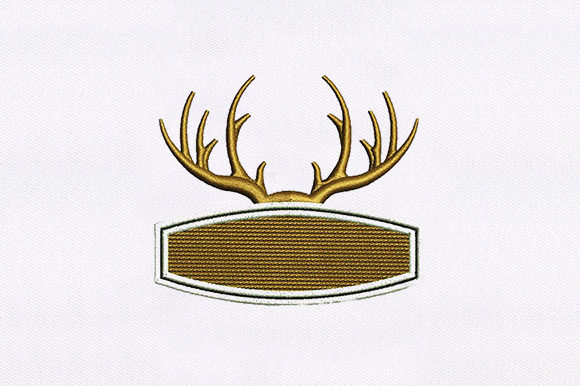
When Elegant Elk Horn loads into my embroidery software, it doesn’t shout — it settles. The antlers sweep upward with clean, organic curves, not rigid symmetry; the negative space between tines feels intentional, not accidental. There’s no fussy detailing or overworked fill stitch — just confident satin stitch outlines and thoughtful open areas that let fabric breathe. It reads as woodland, yes, but refined: more cabin-chic than campfire-casual. This isn’t a cartoon elk or a hunting motif — it’s a subtle nod to nature’s quiet strength. That makes it unusually versatile for a Woodland Animals design.
A Real Project Test: Custom Tote Bags for a Local Boutique
Last week, I stitched Elegant Elk Horn onto a set of heavyweight natural canvas totes for a small-town gift shop. We used medium-weight cutaway stabilizer, 40-weight polyester thread in charcoal gray, and a 5×7 hoop. The result? Crisp definition on every tine, zero puckering, and a finished product that looked intentionally designed — not “embroidered on.” Customers didn’t just notice it; they paused. One asked if it was hand-drawn. That’s the sign of a strong machine embroidery design: it carries the weight of craft without shouting about technique.
Where It Shines (and Why)
- Tote bags & aprons: Its balanced proportions scale beautifully across wide, flat surfaces. No distortion, even at 4.5” wide.
- Embroidered patches & badges: Clean outer edges and moderate stitch density mean it holds up well when heat-sealed or sewn on — no fraying corners or thread bleed.
- Sweatshirts & baby blankets: The design avoids dense fill-heavy zones, so it stays soft and flexible — critical for wearable handmade products.
- Holiday gifts & wedding favors: Paired with ivory thread on oatmeal linen tea towels or muslin pillow covers, Elegant Elk Horn reads as heirloom-level personalization — not seasonal clutter.
- Etsy listings & boutique branding: It photographs cleanly in mockups, works in both color and grayscale previews, and supports cohesive visual storytelling without needing supporting graphics.
Where to Pause — Not Avoid, Just Adjust
Elegant Elk Horn is forgiving, but not magic. Here’s where your judgment matters:
- Small hoop sizes (<4”): It’s offered in standard sizes, but shrinking it below 3.2” risks losing clarity in the inner curve of the antlers. Don’t force it — use the smallest recommended size, not the smallest possible.
- Textured or stretchy fabrics: On slubbed linen or lightweight knits, add a light tear-away + cutaway combo stabilizer. The design’s open structure means loose fabric can shift under dense satin lines.
- Dark or black fabric: Test thread contrast first. Charcoal or navy works, but true black thread on black fabric disappears — especially along thinner antler tips. A soft heather gray or deep olive adds dimension.
- Caps & curved surfaces: It’s not inherently cap-optimized (no built-in digitizing for crown curvature), so use a low-profile hoop and test stitch on a cap blank before committing to client work.
- Frequent-wash items (baby onesies, kitchen towels): Reinforce with quality stabilizer and avoid ultra-thin threads. The design itself holds up — but fabric choice and stabilization make or break longevity.
What It Does for Your Craft Business — Beyond Stitching
Elegant Elk Horn quietly elevates perception. When stitched onto a handmade apron sold at a craft fair, it signals intention — not just “I own an embroidery machine,” but “I curate meaningful details.” For Etsy sellers, it performs well in search *because* it’s specific (elk + elegant) yet broad enough to cross categories: woodland decor, rustic gifts, neutral nursery pieces, unisex apparel. It also scales emotionally — a teen loves it on a backpack; a grandparent treasures it on a quilt square. That flexibility is rare in single-design assets.
It builds trust, too. Unlike overly busy motifs that look cheap when scaled down, Elegant Elk Horn retains its integrity in digital embroidery file previews and printable mockups. Buyers know what they’re getting — no surprise gaps, no hidden density traps. And because it avoids cliché (no pine trees, no plaid backgrounds), it fits seamlessly into modern brand palettes — whether you're selling minimalist home goods or earth-toned outdoor gear.
Designer Notes You’ll Actually Use
- Always test on scrap fabric first — especially with your chosen stabilizer combo. Thread tension shifts subtly across fabric types.
- Review stitch density visually in your software. Elegant Elk Horn uses balanced fill and satin, but zoom in: are any inner corners overly dense? Adjust if needed.
- Check licensing before selling finished items. As a commercial embroidery user, confirm whether your purchase permits resale of physical products — most do, but verify.
- Compare light/dark fabric mockups. This design gains warmth on cream, sophistication on charcoal — but looks flat on pure white unless thread has sheen.
- Use proper stabilizer — no shortcuts. Even on stable canvas, skip stabilizer and you’ll get subtle distortion in the longest antler tip. It’s worth the extra step.
- Inspect small details at actual stitch-out size. Zoom in on your screen, then hold printed preview next to a stitched sample. Does the curve feel resolved? Does the base anchor cleanly? Elegant Elk Horn does — but only if digitized well.
The Bottom Line for Makers Who Ship Real Work
Elegant Elk Horn isn’t just another woodland motif. It’s a design that respects the material, the machine, and the person wearing or gifting the finished product. It stitches cleanly across common project types — tote bag design, sweatshirt embroidery, baby embroidery, holiday embroidery — without demanding special handling or excessive prep. For craft business owners, it’s reliable inventory: one digital embroidery file that supports multiple product lines, seasons, and customer tastes. And for designers who care how things *feel* in the hand and eye — not just how they load in software — it’s a reminder that restraint, rhythm, and respect for negative space still make the strongest impression.