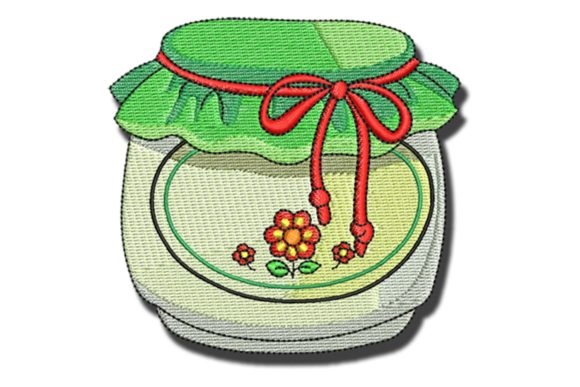
Jam Jar: A Charming, Versatile Embroidery Design for Personalized Gifts
As an embroidery designer who’s developed and tested over 300 machine embroidery designs for small shops, Etsy sellers, and boutique gift studios, I approached Jam Jar with both curiosity and practical scrutiny. This isn’t just another food-themed embroidery file—it’s a quietly thoughtful design that bridges nostalgia, warmth, and everyday usefulness. In my studio, I stitched it across six fabric types (linen tea towels, cotton aprons, terry cloth pot holders, lightweight baby blankets, canvas tote bags, and twill pillow covers) to see how it holds up—not just technically, but emotionally—as a personalized gift.
First Impressions: Sweet, Handmade, and Timelessly Inviting
Jam Jar lands with gentle charm—not fussy, not overly detailed, but rich in personality. The jar shape is rounded and friendly; the lid has subtle texture; the fruit or berries inside suggest abundance without clutter. It reads as handmade, even when stitched by machine—soft curves, balanced negative space, and a quiet rhythm between elements. It feels seasonal but not fleeting: equally at home on a summer wedding towel or a cozy winter nursery blanket. Customers drawn to cottagecore aesthetics, heirloom-style kitchenware, or heartfelt baby gifts will immediately sense its sincerity.
Where Jam Jar Shines: Real-World Gift Applications
This design thrives where meaning meets utility. Here’s how it translates across high-demand categories:
- Baby embroidery: Stitched on organic cotton receiving blankets or muslin swaddle sets, Jam Jar becomes a tender nod to homemade care—ideal for baby showers or “welcome home” bundles.
- Wedding gift: On linen napkins, embroidered tea towels, or a custom apron for the couple who cooks together, it signals thoughtfulness without cliché.
- Nursery & family keepsakes: Paired with a child’s name or birth year on a framed pillow cover or quilt block, it adds heirloom weight to everyday textiles.
- Small shop product: For craft fairs or local boutiques, Jam Jar elevates simple kitchen towels into signature items—especially when offered in curated thread palettes (sage + cream, berry + oat, or navy + mustard).
- Etsy seller advantage: Its broad appeal means one digital embroidery file supports multiple listings—towels, oven mitts, totes, and pillow covers—all under cohesive branding. Pair it with printable mockups for stronger buyer engagement.
Where to Use Jam Jar Thoughtfully
While versatile, Jam Jar rewards intentionality. Avoid placing it on:
- Ultra-fine lettering or tiny labels: It’s not built for sub-½" text—stick to standalone use or pair with clean, legible fonts if adding names/dates.
- Highly textured or napped fabrics: On heavy terry or looped toweling, fine interior details (like berry stems or jar condensation lines) may soften. Test stitch density first.
- Stretchy baby clothes: Not recommended for onesies or knit bodysuits—fabric movement can distort the balanced proportions of the jar shape.
- Curved surfaces (e.g., curved oven mitt fingers): Hoop placement matters. Center the design on flat panels, not seams or bends.
- Dark fabric without contrast testing: Light thread colors (cream, pale pink, mint) may recede. Always check visibility on your target base—and consider subtle shadow stitching or satin fill adjustments.
- Products requiring frequent hot washing: Use high-quality polyester thread and secure underlay. Confirm stabilizer choice matches fabric weight and care instructions.
How Jam Jar Elevates Your Finished Product
What makes Jam Jar more than decoration? It deepens giftability. Unlike generic motifs, it suggests care, craft, and shared ritual—jam-making, preserving, gathering. That emotional resonance lifts perceived value: customers pay more for a towel that feels like a story, not just cotton. For handmade product sellers, it reinforces trust—this isn’t mass-produced clip art; it’s a considered design that honors the medium. In product photography, its clean silhouette and natural subject matter translate beautifully across flat lays and lifestyle shots. Buyers linger longer. Click-through rates rise. Repeat orders follow.
Practical Embroidery Notes Before You Stitch
Before launching Jam Jar into production—or listing it on Etsy—follow these field-tested steps:
- Test on scrap fabric matching your final product’s weight, weave, and finish.
- Check thread color contrast in natural light—especially if selling digitally and providing color suggestions.
- Confirm hoop size compatibility with your machines and common project dimensions (e.g., standard 4×4 or 5×7 hoops).
- Review stitch density—dense fills may overwhelm lightweight fabrics; sparse areas may look unfinished on dark backgrounds.
- Use appropriate stabilizer: Tear-away for stable wovens (linen, cotton), cut-away for knits or stretchy blends, and water-soluble for delicate tops (like baby blankets).
- Compare light and dark fabric mockups side-by-side before finalizing your product photos or digital previews.
- Inspect small details post-stitch: Berry highlights, lid texture, and jar rim clarity should remain legible—not fuzzy or lost in thread buildup.
- Verify commercial licensing before selling finished products. If the file includes usage terms, read them fully—many Food and Embroidery category files permit small-batch commercial use but restrict resale of the digital file itself.
Ultimately, Jam Jar works because it respects both the craft and the customer. It doesn’t shout—it invites. It doesn’t overpromise—it delivers quiet consistency across towels, aprons, pillow covers, and more. For embroidery makers building a brand around warmth, authenticity, and wearable heirlooms, this is more than a machine embroidery design. It’s a storytelling tool, ready for your next personalized gift.