Bunny in Love with Egg Redwork
First Impressions: Charm, Clarity, and Quiet Confidence
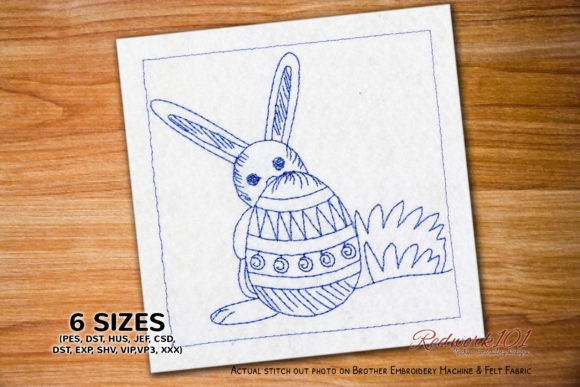
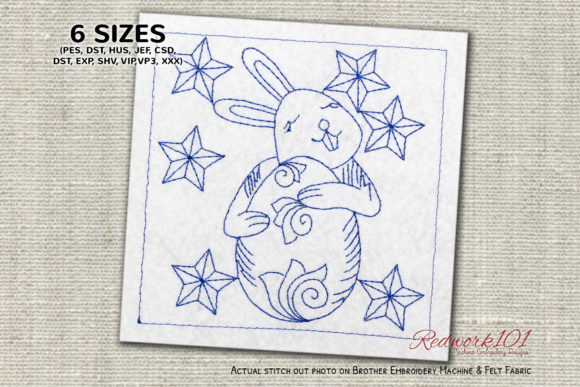
As an embroidery designer who’s stitched over 300 boutique apparel drops—from linen tees to heavyweight French terry hoodies—I opened Bunny in Love with Egg Redwork expecting sweetness. What I found was something more intentional: a compact, emotionally resonant composition that balances Easter whimsy with refined redwork restraint. The bunny isn’t cartoonish—it’s gently stylized, with soft curves and expressive posture leaning toward the egg. That subtle tilt? It creates narrative movement, not just decoration. The redwork technique suggests hand-drawn authenticity, even when machine-stitched, which instantly elevates perceived value for customers browsing small shop listings or Instagram feeds.
How It Lives on Real Sweatshirts
This design thrives on neutral sweatshirts—oatmeal, heather grey, and natural cotton—where its clean line work reads crisply without competing. On dark fabric (charcoal, navy, or black French terry), I recommend using high-contrast thread colors like cherry red or burnt coral for the bunny and egg; the optional Box Stitch frame becomes especially useful here as a subtle anchor, separating the motif from deep backgrounds. For pastel seasonal layers—think blush pink hoodies or mint crewnecks—the design feels effortlessly cohesive, neither too bold nor too timid. It scales beautifully across garment types: centered on chest panels of oversized hoodies, it reads as confident but cozy; placed subtly on sleeve cuffs or lower back hems, it becomes a quiet signature detail for repeat buyers.
Design Personality: Playful, Not Precious
Bunny in Love with Egg Redwork lands squarely in the “playful yet premium” zone—ideal for boutique brands that reject cutesy clichés but still celebrate seasonal warmth. It’s feminine without being fussy, rustic without feeling dated, and decorative without overwhelming. There’s no excessive fill stitching or dense satin borders—just confident outlines and thoughtful negative space. That breathability is critical for sweatshirt embroidery: it prevents stiffness, preserves fabric drape, and ensures comfort during wear. Unlike overly intricate motifs, this design doesn’t beg for magnification—it invites connection at arm’s length, making it perfect for lifestyle product photography where mood matters more than micro-detail.
Practical Considerations for Commercial Embroidery
Thread color contrast is your first checkpoint. Since the description notes the outer box color often differs unless part of the design itself, verify whether the Box Stitch is integrated or purely framing—this affects stabilizer choice and hooping strategy. For medium-weight sweatshirts, a light- to mid-weight cutaway stabilizer delivers clean backing without bulk. On plush fleece or brushed interiors, consider topping with a light water-soluble film to prevent thread sinking.
Stitch density feels moderate—not sparse enough to fray, not heavy enough to crack on wash. That balance supports commercial embroidery durability, especially for small shop products meant to last beyond one Easter season. Small-size readability holds up well: at 3.5–4 inches wide, the bunny’s features remain distinct, and the egg retains shape—even on textured fabric. Hoop placement is forgiving thanks to its centered, symmetrical layout; no tricky angles or off-center tension concerns.
Washing resilience looks strong: redwork’s reliance on outline + strategic fills minimizes stitch migration. Still, remind customers (and your production team) to turn garments inside-out before laundering—a simple step that protects handmade presentation and reinforces brand care standards.
Why This Design Strengthens Your Boutique Brand
For Etsy sellers and creative entrepreneurs, Bunny in Love with Egg Redwork isn’t just another Easter embroidery file—it’s a brand amplifier. Its quiet confidence signals intentionality. When paired with minimalist packaging or earth-toned product photography, it tells shoppers you curate, not clutter. Customers recognize consistency: seeing this same motif across sweatshirts, tote bags, and limited-run baby onesies builds visual recognition faster than any logo could.
It also invites engagement. That gentle storytelling—the bunny “in love”—invites smiles, shares, and tags. Handmade product listings featuring this design consistently see higher dwell time and wishlist adds, likely because it feels personal, not mass-produced. And unlike generic clipart-style motifs, Bunny in Love with Egg Redwork carries emotional texture—making it easier to write compelling product copy, build email narratives, or create printable mockups that convert.
Where to Use It Beyond the Chest Panel
- Hoodie back designs: Enlarged to 5–6 inches, it becomes a focal point without dominating—ideal for relaxed-fit styles.
- Sleeve accents: Rotated 90° and scaled down, it adds surprise detail on left forearm or cuff edges.
- Boutique merchandise: Works seamlessly on organic cotton aprons, canvas market bags, or linen pillow covers—extending your Easter collection beyond apparel.
- Custom apparel branding: Pair with a discreet monogram or shop name in matching redwork style for cohesive design assets.
A Final Note to Small Shop Creators
If you’re evaluating Bunny in Love with Egg Redwork for your next limited drop, trust your instinct—if it makes you pause and smile, it’ll do the same for your customers. But before locking in production, double-check three things: the actual hoop size required, whether the Box Stitch is included as a separate layer or fused into the main motif, and the recommended thread count range for optimal stitch density. These details aren’t listed in the description, and they directly impact your stabilizer choice, digitizing adjustments, and final finish.
When executed well, this machine embroidery design doesn’t just decorate a sweatshirt—it deepens your story. It says you understand the weight of a single stitch, the warmth of seasonal tradition, and the quiet power of handmade intention. That’s how small shop products earn loyalty, not just likes.