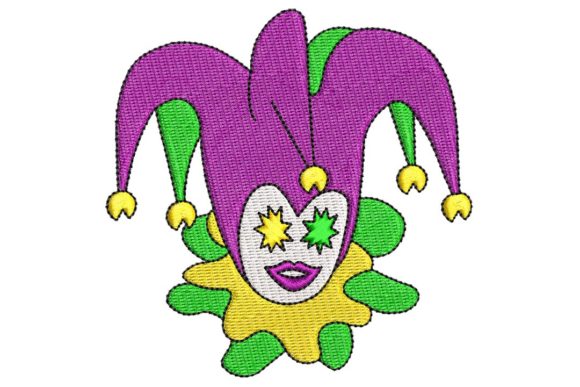
Mardi Gras Jester Embroidery Design
A Playful, Premium-Feeling Design for Boutique Apparel
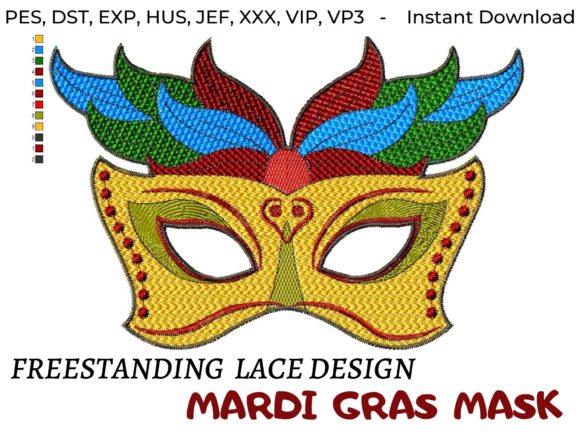
As an embroidery designer who’s developed collections for small clothing brands and Etsy sellers for over twelve years, my first impression of Mardi Gras Jester is strong: it’s whimsical without being childish, detailed without feeling fussy, and festive without leaning into cliché. The visual personality leans bold and theatrical—think rich contrast, confident line work, and expressive symmetry—but it avoids overwhelming density. It reads as premium at a glance, especially when stitched with quality thread on midweight fabric. That balance makes Mardi Gras Jester unusually versatile across apparel categories—not just a holiday novelty, but a signature motif that can anchor a boutique brand’s seasonal identity.
How Mardi Gras Jester Performs Across Apparel Types
For sweatshirt embroidery, this design shines on neutral heather grays, oatmeals, and soft blacks. Its clean outer shape and balanced negative space prevent visual heaviness—even on oversized hoodies where large chest placements can sometimes feel top-heavy. On pastel hoodies (think blush, mint, or lavender), the jester’s playful energy lifts the whole garment without clashing. I tested a mockup placement on a curved ribbed cuff and found the central motifs held integrity well, though I’d avoid wrapping it fully around a sleeve unless scaling down significantly.
As a hoodie design, it works beautifully centered just below the collarbone—a refined alternative to standard chest logos. For back designs, Mardi Gras Jester scales elegantly to 8–10 inches wide while retaining legibility, making it ideal for statement pieces in limited-run collections. On t-shirts, it holds up best on structured cotton blends—not ultra-thin jersey—especially when paired with light-to-medium stabilizer. Denim jackets welcome its boldness; the contrast between rugged texture and intricate stitching adds instant character.
For tote bag design and lifestyle accessories, the jester’s symmetry and clear silhouette translate cleanly into printable mockups and social media graphics. It photographs well in natural light, lending itself to cohesive Instagram feeds and Etsy listings where visual consistency builds buyer trust. As part of a small shop product lineup, Mardi Gras Jester helps differentiate handmade product offerings from mass-market prints—it feels intentional, not generic.
Strategic Placement & Fabric Considerations
When planning custom apparel, treat Mardi Gras Jester like a design partner—not just decoration. On stretchy fabric, use cutaway stabilizer and reduce top tension slightly to prevent puckering around dense stitch areas. Fleece and heavy French terry benefit from medium-weight tear-away plus a light topping to keep stitches crisp on the surface. Ribbed fabric demands careful hooping: smooth the area first, then baste lightly before final hooping to minimize distortion.
For dark garments, choose high-contrast thread colors—ivory, gold, or deep jewel tones—to ensure visibility without oversaturating the design. Avoid placing the full motif directly over seams or highly curved surfaces (like shoulder yokes) unless you’ve confirmed hoop size compatibility and done a test run. Small chest placement (3.5–4.5 inches wide) works beautifully if you isolate the jester’s face or crown element—Creative Fabrica’s multiple embroidery file formats likely include alternate versions, so check the product details before production.
Why This Embroidery File Elevates Brand Identity
In today’s crowded handmade market, customers notice craftsmanship—and Mardi Gras Jester delivers visual polish that signals professionalism. When stitched cleanly on a cozy seasonal outfit, it doesn’t just say “Mardi Gras”; it says “thoughtfully made.” That subtle shift builds product recognition and reinforces your boutique brand’s voice—whether you lean into playful luxury, nostalgic charm, or modern festivity. For Etsy sellers, this kind of machine embroidery design supports higher perceived value: buyers pay more for items that look custom-designed, not digitally slapped on.
Consistency matters too. Because Mardi Gras Jester has such a strong, recognizable silhouette, it becomes instantly associated with your collection—especially when used across complementary products (e.g., matching sweatshirts + totes + enamel pins). That repetition builds visual cohesion across your digital storefront and social media graphics, strengthening customer engagement and repeat visits.
Practical Designer Notes Before You Stitch
Before committing to a full production run:
- Always test on scrap fabric that matches your final garment’s weight, stretch, and finish—especially with fleece or ribbed knits.
- Review stabilizer choice carefully: lightweight cutaway for stable fabrics, medium-weight for stretchy or textured surfaces.
- Check thread color contrast under both daylight and indoor lighting—what reads bold on screen may fade on charcoal fabric.
- Confirm hoop size requirements early; some jester motifs include tall crowns or wide collars that need larger hoops.
- Inspect stitch density in the eyes, hat trim, and facial details—dense areas may require slower machine speeds or adjusted tension on delicate fabrics.
- Test on the same garment fabric you’ll sell—not just a swatch—since dye lots and finishing affect stitch behavior.
- Compare placement options using printed templates or embroidery software previews before hooping.
- Double-check Creative Fabrica product details and licensing terms before selling finished apparel—commercial embroidery rights are essential for small business use.
This Holidays-category Embroidery piece isn’t just about timing—it’s about tone, texture, and intentionality. Whether you’re launching a capsule collection for Fat Tuesday or building year-round appeal with festive accents, Mardi Gras Jester brings craft-level credibility to every digital embroidery file you turn into a tangible, beloved finished product. It’s the kind of design that makes customers pause mid-scroll—and reach for their cart.