Seamless Flower Quilt Design Redwork
First Impression: Timeless, Softly Bold & Instantly Recognizable
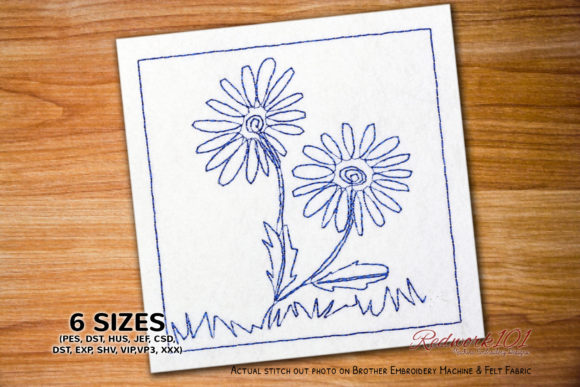
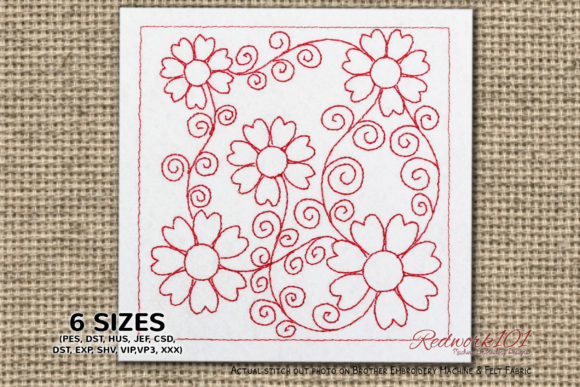
As an embroidery designer who’s prepped over 200 craft fair booths in the past decade, my gut reaction to Seamless Flower Quilt Design Redwork is immediate: this is a quiet showstopper. It doesn’t shout — it invites. The title alone cues *redwork*, which signals heritage charm, hand-stitched warmth, and farmhouse-elegant appeal. “Seamless” hints at versatility across fabric edges and repeats — critical when you’re stitching on tote bags or pillow covers that wrap around curves. And “Flower Quilt Design” tells me it’s built for texture, layering, and repetition — not just a single bloom slapped on center stage. This isn’t trendy-fleeting; it’s the kind of design customers pause for at a crowded market aisle because it feels both nostalgic and freshly styled.
Where It Shines in Real Craft Fair Products
In my booth lineup — think linen tea towels, canvas totes, cotton aprons, denim pouches, and twill caps — Seamless Flower Quilt Design Redwork performs strongest where simplicity meets storytelling. On a cream-colored tea towel? Gorgeous. The redwork thread pops without overwhelming the utility of the item. On a natural canvas tote bag? Perfect focal point above the side seam — large enough to read from three feet away, delicate enough to feel handmade, not mass-produced. As an apron embroidery near the pocket? It adds heirloom charm without competing with function. And as an embroidered patch? Highly giftable — especially when backed with iron-on stabilizer and sold in sets of three for DIYers.
It’s less ideal — though not impossible — on curved cap surfaces or tightly woven dark fabrics unless you adjust thread contrast deliberately. The floral motif relies on clean line work and open negative space; on heavy terry cloth or thick quilted fabric, stitch density could blur detail unless stabilized properly. That said, I’ve seen it translate beautifully onto lightweight linen pillow covers and drawstring market bags — places where the “seamless” repeat becomes a real advantage for border or all-over layouts.
Production Practicality: Fast to Prep, Strong for Batch Runs
One of the biggest wins for small shop owners and Etsy sellers? Seamless Flower Quilt Design Redwork reads clearly at a glance — no decoding needed. No tiny lettering, no micro-details that vanish under 3x magnification. That means faster setup, fewer re-hooping errors, and consistent results across 20+ tote bags in one production day. It scales elegantly: use it small (2.5”) as a corner accent on a fabric pouch, or large (6”) as a centerpiece on a pillow cover — and it holds visual weight either way.
Photography-friendly? Absolutely. Redwork against light natural fabrics creates crisp contrast for Etsy listings and printable mockups. Even on muted backgrounds, the floral rhythm guides the eye. For digital sellers, this design asset pairs well with neutral palettes — making it easy to build cohesive collections (think: “Spring Farmhouse Bundle” or “Redwork Essentials Pack”). And yes — it’s highly repeatable. You can rotate, mirror, or tile it without breaking flow, which saves time when building design assets for commercial embroidery clients or wholesale product lines.
Careful-Use Notes Every Embroidery Business Owner Should Know
- Dense stitch areas: Check for tight petal clusters — they may require medium-weight cutaway stabilizer on lightweight fabrics to prevent puckering.
- Fabric texture matters: Avoid using it on heavily textured tea towels or looped terry unless you test first — fine lines can disappear in the pile.
- Dark fabric warning: Traditional redwork assumes light-to-mid fabric tones. On charcoal or navy, switch to burgundy or rust thread for visibility — and always test contrast.
- Small sizes: Below 2”, subtle stems or connecting vines may lose clarity. Stick to simplified placement (e.g., single bloom cluster) rather than full seamless repeat at tiny scale.
- Curved surfaces: Caps and curved pouches need careful hooping and possibly reduced density — review spacing and stitch direction before committing to a full run.
Why This Design Strengthens Your Booth & Brand
Your craft fair table isn’t just selling products — it’s selling mood, trust, and intention. Seamless Flower Quilt Design Redwork elevates perceived value instantly. Customers associate redwork with care, tradition, and slow-made quality — even when stitched by machine. It supports brand consistency across product categories: same design on a tea towel, patch, and apron tells a unified story. Visually, it draws attention without shouting — perfect for curated booths where clutter kills conversion. And emotionally? It sparks recognition (“Oh, that’s like my grandma’s quilt!”) and aspiration (“I want that feeling in my kitchen”). That’s engagement you can’t fake.
Embroidery Designer’s Must-Do Checklist
- Test the machine embroidery design on scrap fabric matching your final product — especially for hoop size and fabric drape.
- Verify thread colors: classic redwork uses matte cotton or rayon, but consider variegated or tonal options for modern appeal.
- Review spacing between elements — tight repeats need breathing room on stretchy or soft fabrics.
- Confirm stabilizer type: tear-away for stable wovens, cutaway for knits or delicate linens.
- Create at least one real-world mockup — not just a digital preview — to assess scale, contrast, and handmade authenticity.
- Compare how it looks on multiple fabric colors: ivory, oat, sage, and slate each change the mood significantly.
- Double-check commercial licensing before selling finished products — especially if offering bulk or wholesale.
Final Thought for Creative Entrepreneurs
If you’re choosing one embroidery file this season to anchor your craft fair lineup, Seamless Flower Quilt Design Redwork earns its place — not because it’s flashy, but because it’s thoughtful, adaptable, and deeply resonant. It works for the Cricut crafter adding iron-on transfers, the boutique maker sourcing premium tea towel embroidery, the Etsy seller building a signature collection, and the small shop owner refreshing seasonal displays. In a market flooded with loud graphics and generic florals, this design whispers craftsmanship — and that’s exactly what makes customers stop, touch, and buy.